






how to restore gut health after antibiotics.
Antibiotics have transformed modern medicine, helping to combat bacterial infections that were once life-threatening. But while they’re essential for treating infections, their effects don’t stop there. They also temporarily reshape the gut microbiome - the trillions of microbes that play a central role in digestion, immunity, mood and hormonal balance. Understanding what changes during a course of antibiotics, and how to support recovery afterwards, helps you protect your gut system without compromising the treatment itself. So, what actually happens to your gut microbiome when you take antibiotics, and how can you support its recovery? Let’s take a closer look. Do Antibiotics Kill Good Bacteria? Yes - antibiotics can reduce both harmful and beneficial bacteria in the gut. Your gut is home to trillions of microbes - bacteria, fungi and other tiny organisms. They work together to support digestion, immunity and wider health. Antibiotics can’t tell harmful and helpful bacteria apart, so while they kill the bacteria causing an infection, they also reduce many of the helpful microbes that keep the gut in balance. A 2022 review found that broad-spectrum antibiotics can change up to 30% of bacterial groups in the gut. This reduces microbial variety and balance. A diverse gut is one of the most steady signs of a resilient gut. That is why gut-aware support during and after a course is more often advised. Broad-spectrum vs narrow-spectrum antibiotics Broad-spectrum antibiotics target many types of bacteria. Narrow-spectrum antibiotics act on a single type. Broad-spectrum drugs are more likely to upset gut diversity. Narrow-spectrum antibiotics are preferred as they tend to spare more of the helpful microbes that support gut health. Narrow-spectrum drugs like nitrofurantoin, used for some simple UTIs, tend to cause less microbial upset. Broad-spectrum drugs like co-amoxiclav or clindamycin tend to cause more. Which antibiotics are most disruptive...


On this page
Date written:
Last updated:
Antibiotics have transformed modern medicine, helping to combat bacterial infections that were once life-threatening. But while they’re essential for treating infections, their effects don’t stop there.
They also temporarily reshape the gut microbiome - the trillions of microbes that play a central role in digestion, immunity, mood and hormonal balance. Understanding what changes during a course of antibiotics, and how to support recovery afterwards, helps you protect your gut system without compromising the treatment itself.
So, what actually happens to your gut microbiome when you take antibiotics, and how can you support its recovery? Let’s take a closer look.
Do Antibiotics Kill Good Bacteria?
Yes - antibiotics can reduce both harmful and beneficial bacteria in the gut.
Your gut is home to trillions of microbes - bacteria, fungi and other tiny organisms. They work together to support digestion, immunity and wider health. Antibiotics can’t tell harmful and helpful bacteria apart, so while they kill the bacteria causing an infection, they also reduce many of the helpful microbes that keep the gut in balance.
A 2022 review found that broad-spectrum antibiotics can change up to 30% of bacterial groups in the gut. This reduces microbial variety and balance. A diverse gut is one of the most steady signs of a resilient gut. That is why gut-aware support during and after a course is more often advised.
Broad-spectrum vs narrow-spectrum antibiotics
Broad-spectrum antibiotics target many types of bacteria. Narrow-spectrum antibiotics act on a single type. Broad-spectrum drugs are more likely to upset gut diversity. Narrow-spectrum antibiotics are preferred as they tend to spare more of the helpful microbes that support gut health.
Narrow-spectrum drugs like nitrofurantoin, used for some simple UTIs, tend to cause less microbial upset. Broad-spectrum drugs like co-amoxiclav or clindamycin tend to cause more.
Which antibiotics are most disruptive to the gut microbiome
A UK review found clear differences between antibiotics. Clindamycin, ciprofloxacin and clarithromycin caused bigger and longer-lasting changes in microbial diversity than amoxicillin or nitrofurantoin.
Common antibiotics prescribed in UK primary care include:
-
Amoxicillin - chest, dental and some urinary infections
-
Nitrofurantoin - uncomplicated UTIs
-
Clarithromycin - chest and respiratory infections, or as a penicillin alternative
-
Doxycycline - acne, chlamydia, some respiratory infections
-
Trimethoprim - UTIs
The exact effect on the gut depends on the drug, the dose, how long the course is, and your starting microbiome.
Why women are prescribed antibiotics more often
Women are given antibiotics more often than men. This is partly down to health issues that affect them more, like UTIs.
NHS data for 2023–24 showed UTI hospital admissions in working-age women were about three times higher than in men. UTIs alone make up around 15% of antibiotic prescriptions in primary care.
Antibiotics are also often given to women for acne, some skin conditions and some sexual health issues. Over a lifetime, this can mean more cycles of microbial upset. That is one reason gut support during and after antibiotic courses matters.
How antibiotics affect the vaginal microbiome
The vaginal microbiome and the gut microbiome are linked. Both rely on Lactobacillus to keep a steady, slightly acidic setting. This holds back the growth of less helpful microbes. Antibiotics can reduce these protective bacteria.
This is why vaginal thrush is a known side effect of antibiotic use. A large UK study found the risk of vaginal thrush was much higher in the weeks after antibiotics. The peak was in the second week.
What Antibiotics Do to Your Gut Microbiome?
Antibiotics can cause two kinds of effect: short-term gut symptoms, and longer-term shifts in the microbial mix. Symptoms during a course are the most visible part. Changes in the microbiome often continue after treatment ends.
Short-term gut side effects
In the immediate aftermath of antibiotic use, you may have digestive issues such as diarrhoea, bloating and discomfort. This happens because antibiotics disrupt the gut’s natural ecosystem. Less helpful bacteria can then thrive without their usual rivals.
Common short-term effects during or shortly after a course include:
-
Diarrhoea - antibiotic-associated diarrhoea (AAD) happens in roughly 5–35% of adults, depending on the antibiotic
-
Bloating and gas - often linked to changes in the bacteria that ferment fibre
-
Nausea - more common with macrolides such as clarithromycin, and with metronidazole
-
Constipation - some antibiotics may reduce the bacteria that help keep the bowel moving. Read more about what’s really happening in your gut during constipation.
-
Appetite changes - usually mild, and they settle once the course ends
Why this happens: gut bacteria help break down food, keep the bowel moving and make short-chain fatty acids that feed the gut lining. When the microbial mix shifts, transit, fermentation and stool texture can change with it.
Longer-term effects on the microbiome
Repeated or long antibiotic use can lead to more lasting changes in gut health. A loss of microbial diversity has been seen in conditions like irritable bowel syndrome (IBS) and inflammatory bowel disease (IBD).
A 2018 study followed healthy adults after a course of antibiotics. The gut microbes mostly returned to near their starting point within about 1.5 months. But several common gut microbes species were still missing in most people six months later.
Although the study was small and used an intensive antibiotic combination, it offers a glimpse into how the gut behaves under pressure, and a reminder that full recovery can take longer than you might expect.
Can antibiotics affect your mood?
Possibly. Research suggests that an out-of-balance gut may shape mental health. New links have been seen between the microbiome and anxiety or low mood. The gut–brain axis is a known two-way signal system. It links the gut microbiome to the brain through the vagus nerve, immune signals and short-chain fatty acids.
Some research has looked at whether repeated antibiotic use is linked to these mood changes, though this is still an emerging area..
If you’d like to explore the relationship between the gut and mental wellbeing further, read rethinking anxiety, boosting your mood – serotonin gut connection
Antibiotics and women’s health side effects
Beyond thrush, antibiotic use can interact with women’s reproductive health in other ways:
-
Menstrual cycle changes - usually mild and not caused by the antibiotic itself. Illness, stress and inflammation around treatment can shift cycle timing.
-
Birth control interactions - most antibiotics do not reduce how well hormonal birth control works. Rifampicin and rifabutin are the main exceptions.
-
Hormone metabolism - the gut microbiome includes a group of bacteria (the estrobolome) that helps process and recycle oestrogen. Upset may have knock-on effects on hormone balance.
Read more about hormones and gut health:
Hormonal changes can affect the gut microbiome - and the gut may also influence hormone balance in return. Learn more about:
Should You Take Probiotics With Antibiotics?
Probiotics are not a treatment for the antibiotic itself. They are best seen as targeted support for the gut, alongside diet, sleep and stress care. The evidence is strain-specific. Not every probiotic has been shown to help here.
When to take probiotics with antibiotics
Your GP is best to advise you but general guidance is to space probiotics 2–3 hours apart from each antibiotic dose. Carry on for at least 1–2 weeks after the course ends. Spacing matters because some probiotic strains can be killed by the antibiotic.
Best probiotic strains to take with antibiotics
Look for clinically studied, multi-strain options. Those with Lactobacillus and Bifidobacterium strains are well known for supporting the gut. The probiotics with the strongest research here are strain-specific:
-
Saccharomyces boulardii - the most well-studied probiotic for preventing antibiotic-linked diarrhoea. In adults, it has cut AAD risk from about 18.7% to 8.5%.
-
Lactobacillus rhamnosus GG (LGG) - found LGG reduced antibiotic-associated diarrhoea risk from 22.4% to 12.3% vs placebo
-
Bifidobacterium lactis Bl-04 - rapidly re-established bifidobacterial levels in adults on amoxicillin/clavulanic acid, while placebo showed no recovery 2 weeks post-antibiotic.
Effective doses in trials usually range from 5 to 40 billion CFU per day. Carry on with the probiotic for at least 1–2 weeks after the antibiotic course ends.
Probiotic strains that support vaginal microbiome recovery
Two strains have been studied specifically for vaginal microbiome support during and after antibiotic use:
-
Lactobacillus acidophilus La-14
-
Lacticaseibacillus rhamnosus HN001
Studies in women with bacterial vaginosis have found that adding oral capsules of these strains to standard antibiotic treatment was linked to better recovery rates. Results vary between studies, but the research is a promising example of how targeted strains can support women's gut and vaginal health together — reflecting just how closely the two systems are connected.
What Should You Eat to Restore Gut Health After Antibiotics?
Diet is the single most powerful daily input to the gut microbiome. After antibiotics, the goal is to feed helpful bacteria. A wide range of plant fibres, gentle fermented foods and enough protein helps. Limit foods that may slow recovery.
Prebiotic-rich foods to prioritise
Prebiotics are types of fibre that helpful bacteria ferment. One useful type is fructo-oligosaccharides (FOS). These prebiotic fibres can boost the growth of helpful strains such as Bifidobacteria and Lactobacilli. They are found naturally in plant-based foods, and help create the right setting for good bacteria to thrive. Other prebiotics include galacto-oligosaccharides (GOS), resistant starch, and some polyphenols like those in dark chocolate.
If you’re looking to add more prebiotics to your diet, useful sources include:
-
Garlic
-
Onions
-
Leeks
-
Asparagus
-
Bananas (slightly under-ripe)
-
Whole grains such as oats, barley and rye
-
Legumes -lentils, chickpeas and beans
Fermented foods for natural microbial support
Fermented foods like yoghurt, kefir, kimchi and sauerkraut naturally give a boost of helpful bacteria. A 2021 trial at Stanford found that steadily increasing fermented food intake over 10 weeks raised microbiome diversity and lowered markers of inflammation.
Useful options include:
-
Live yoghurt and kefir
-
Sauerkraut and kimchi (small daily servings)
-
Miso and tempeh
Start with small portions, especially if your gut feels sensitive after antibiotic use, and build up slowly. Our guide to fermented foods and gut health explains more about how these foods support the microbiome.
Dietary diversity and the 30-plant-per-week goal
A varied diet rich in fibre, plant-based foods and whole grains can help restore gut diversity. Different bacteria thrive on different nutrients. So the more variety in your diet, the better for your gut
Aiming for around 30 different plant foods per week is a widely cited goal for gut diversity. “Plants” here includes vegetables, fruits, legumes, whole grains, nuts, seeds, herbs and spices.
Try incorporating:
-
A wide range of colourful fruits and vegetables (add some as a side dish to every meal)
-
Nuts, seeds and legumes for fibre and healthy fats (great for snacking)
-
Fermented foods for natural probiotics (a teaspoon or two with lunch is a useful starting point)
This way of eating can help your gut grow back a wide range of helpful microbes.
Foods to limit during microbiome recovery
A diet high in ultra-processed foods, added sugars and some artificial sweeteners is linked to lower gut diversity in research. While the gut is recovering, it can help to:
-
Limit ultra-processed snack foods
-
Reduce added sugar
-
Reduce alcohol while the gut is rebuilding its balance
Our guide to how ultra-processed food affects your gut explains more about the link between processed foods and microbiome health.
Nutrients women may need more of during recovery
Some antibiotics can affect how the body takes up nutrients. Women also have higher baseline needs for several nutrients across the menstrual cycle and through perimenopause. Useful inputs during recovery include:
-
Iron-rich foods - tetracyclines (a broad-spectrum antibiotic) can affect how the body takes up iron. Space the doses if both are needed.
-
Folate - found in green leafy vegetables, legumes and fortified grains.
-
Vitamin D - useful in UK winters. NHS guidance suggests a 10 µg daily supplement.
This is general guidance, not personal advice. Speak with your GP or a registered dietitian if you have known low levels, are pregnant, or have a long-term condition.
How Long Does It Take to Restore Gut Health After Antibiotics?
Research suggests the gut microbiome can take a few weeks to several months to recover after antibiotics. The exact time depends on the type, dose and length of treatment.
In healthy adults, a single course of broad-spectrum antibiotics is usually followed by partial recovery in around 2–4 weeks. Fuller microbial diversity returns over 3–6 months. Some species may stay reduced for longer, especially after repeated courses.
Factors that influence recovery time
-
Antibiotic type - broad-spectrum antibiotics can take longer to recover from
-
Course length - short courses tend to be followed by quicker recovery
-
Starting gut diversity - a more varied gut at the start seems to recover faster
-
Age - recovery may be slower in older adults
-
Diet - especially fibre and fermented food intake
Why recovery time may differ for women
Hormones shape the gut microbiome. The gut microbiome also shapes hormones. Oestrogen is linked with a steady microbiome. During the menstrual cycle, perimenopause and menopause, shifts in hormones may shape recovery. Postmenopausal women in particular may have lower starting gut diversity. That can affect resilience after antibiotics.
Realistic expectations for microbiome recovery
Restoring your gut microbiome isn’t an overnight fix. Depending on the length and strength of your antibiotic treatment, it may take weeks or even months for your gut to fully recover. Steadily supporting your gut through diet, probiotics and daily habits can help rebuild its resilience over time.
A grounded view of recovery looks like:
-
Partial recovery: around 2–4 weeks
-
Most species back: 1–2 months
-
Full gut diversity rebuilt: 3–6 months, sometimes longer with repeated courses
Be patient with the gut. Microbes respond well but rebuild slowly. Day-to-day diet and lifestyle matter more than any single fix.
Use Antibiotics Responsibly
Antibiotics play a key role in managing some bacterial infections. They should only be used when medically needed. Taking antibiotics for viral infections, like colds or the flu, does not work. It may also add to antibiotic resistance and cause short-term changes in the balance of gut bacteria.
What Lifestyle Changes Support Gut Recovery?
Recovery is a whole-system process. Hydration, stress, sleep and movement all shape the microbiome in real ways.
Hydration
Hydration plays a key role in digestion. It also supports the mucus layer that protects the gut lining. Drinking enough water can help recovery after antibiotics. NHS guidance suggests around 6–8 glasses of fluid a day for adults.
Learn more about how drinking more water supports gut health.
Stress management and the gut-brain axis
Long-term stress, on the other hand, can have a negative effect on gut bacteria. Stress hormones like cortisol can change gut movement, raise gut sensitivity and shift microbial balance. Things like yoga, meditation, breath work or simply spending time outdoors can help keep a balanced gut.
Sleep quality and the microbiome
A disrupted body clock is linked to lower gut diversity in research. Aim for steady sleep timing where you can. The gut microbiome seems to follow a daily rhythm of its own. Learn more about sleep and gut health are connected.
Exercise and microbial diversity
Steady, moderate exercise is linked to a more varied gut in research. Walking, cycling, strength work and yoga all count. Doing it often matters more than how hard you go. Read more about how exercise supports gut health.
Taking Care of Your Gut for Long-Term Health
By knowing how antibiotics affect your microbiome - and taking active steps to support recovery - you can help keep a strong, varied gut. From probiotics and prebiotics to a varied diet and mindful antibiotic use, every step you take toward gut health supports digestion, immunity, hormone balance, skin health and even mental health.
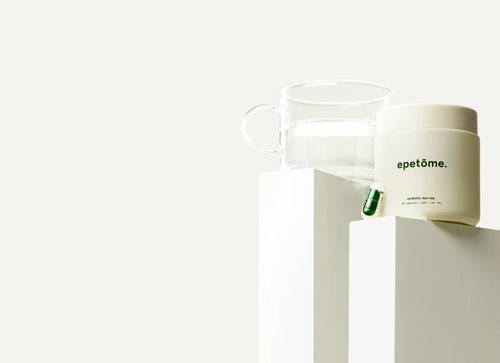
Our daily synbiotic dual cap is designed to support gut balance, gut barrier strength and digestive signals. It combines clinically studied bacterial strains with plant fibres that feed helpful bacteria. As part of a wider approach - a varied plant-rich diet, good rest and calm stress care - a daily synbiotic may help support the gut through a course of antibiotics and during recovery.
References
Engelbrektson A, Korzenik JR, Pittler A, Sanders ME, Klaenhammer TR, Leyer G, Kitts CL. Probiotics to minimize the disruption of faecal microbiota in healthy subjects undergoing antibiotic therapy. J Med Microbiol, 2009;58(5):663–670.https://doi.org/10.1099/jmm.0.47615-0
Russo R, Edu A, Bonanno V, et al. Improved attachment of Lactobacilli to vaginal epithelial cells by oral administration of a multi-strain probiotic combined with bovine lactoferrin in women affected by bacterial vaginosis with recurrence after antibiotic standard treatment. Benef Microbes, 2019;10(1):19–26. https://doi.org/10.3920/BM2018.0058
Russo R, Karadja E, De Seta F. Evidence-based mixture containing Lactobacillus, lactoferrin and exopolysaccharides restores vaginal homeostasis in women with intermediate vaginal microbiota. Arch Gynecol Obstet, 2018;298(1):139–145. https://doi.org/10.1007/s00404-018-4771-z
Patangia DV, Ryan CA, Dempsey E, Ross RP, Stanton C. Impact of antibiotics on the human microbiome and consequences for host health. MicrobiologyOpen, 2022;11(1):e1260. https://doi.org/10.1002/mbo3.1260
Palleja A, et al. Recovery of gut microbiota of healthy adults following antibiotic exposure. Nature Microbiology, 2018. https://www.nature.com/articles/s41564-018-0257-9
Elvers KT, Wilson VJ, Hammond A, Duncan L, Huntley AL, Hay AD, van der Werf ET. Antibiotic-induced changes in the human gut microbiota for the most commonly prescribed antibiotics in primary care in the UK: a systematic review. BMJ Open, 2020;10(9):e035677. https://doi.org/10.1136/bmjopen-2019-035677
Theodosiou AA, Jones CE, Read RC, Bogaert D. Microbiotoxicity: antibiotic usage and its unintended harm to the microbiome. Current Opinion in Infectious Diseases, 2023;36(5):371–378. https://doi.org/10.1097/QCO.0000000000000945
UK Government. Understanding the burden of UTI hospitalisations in England (2024). https://www.gov.uk/government/publications/understanding-the-burden-of-uti-hospitalisations-in-england
Blaabjerg S, et al. Probiotics for the Prevention of Antibiotic-Associated Diarrhea in Adults: A Systematic Review and Meta-Analysis of Randomized Placebo-Controlled Trials. Antibiotics, 2017. https://pmc.ncbi.nlm.nih.gov/articles/PMC8183490/
Khan I, et al. The Gut Microbiome and Inflammatory Bowel Diseases. Microorganisms, 2023. https://pmc.ncbi.nlm.nih.gov/articles/PMC10012812/
Clapp M, et al. Gut microbiota’s effect on mental health: The gut-brain axis. Clinics and Practice, 2017. https://pmc.ncbi.nlm.nih.gov/articles/PMC5641835/
Dinan K, Dinan TG. Antibiotics and mental health: The good, the bad and the ugly. Journal of Internal Medicine, 2022. https://pmc.ncbi.nlm.nih.gov/articles/PMC9796968/
Baker JM, et al. Estrogen-gut microbiome axis: Physiological and clinical implications. Maturitas, 2017. https://pubmed.ncbi.nlm.nih.gov/28778332/
Szajewska H, Kołodziej M. Systematic review with meta-analysis: Saccharomyces boulardii in the prevention of antibiotic-associated diarrhoea. Alimentary Pharmacology & Therapeutics, 2015. https://pubmed.ncbi.nlm.nih.gov/26216624/
Goldenberg JZ, et al. Probiotics for the prevention of antibiotic-associated diarrhea in children. Cochrane Database of Systematic Reviews. https://www.cochrane.org/evidence/CD004827
Szajewska H, Kołodziej M. Systematic review with meta-analysis: Lactobacillus rhamnosus GG in the prevention of antibiotic-associated diarrhoea in children and adults. Alimentary Pharmacology & Therapeutics, 2015. https://pubmed.ncbi.nlm.nih.gov/26365389/
Merenstein DJ, et al. Bifidobacterium animalis subsp. lactis BB-12 protects against antibiotic-induced functional and compositional changes in human fecal microbiome. Nutrients, 2021. https://pubmed.ncbi.nlm.nih.gov/34444974/
Anukam KC, et al. Augmentation of antimicrobial metronidazole therapy of bacterial vaginosis with oral probiotic Lactobacillus rhamnosus GR-1 and Lactobacillus reuteri RC-14: randomized, double-blind, placebo controlled trial. Microbes and Infection, 2006. https://pubmed.ncbi.nlm.nih.gov/16697231/
Mastromarino P, et al. Effective probiotic regimens for bacterial vaginosis treatment and recurrence prevention: a systematic review. Frontiers in Cellular and Infection Microbiology, 2024. https://pmc.ncbi.nlm.nih.gov/articles/PMC12059960/
Wastyk HC, et al. Gut-microbiota-targeted diets modulate human immune status. Cell, 2021. https://www.cell.com/cell/fulltext/S0092-8674(21)00754-6
McDonald D, et al. American Gut: an Open Platform for Citizen Science Microbiome Research. mSystems, 2018. https://msystems.asm.org/content/3/3/e00031-18
Ng KM, et al. Recovery of the gut microbiota after antibiotics depends on host diet, community context, and environmental reservoirs. Cell Host & Microbe, 2019. https://pubmed.ncbi.nlm.nih.gov/31726029/
NHS. Antibiotics. https://www.nhs.uk/medicines/antibiotics/
Lathakumari RH, Vajravelu LK, Satheesan A, Ravi S, Thulukanam J. Antibiotics and the gut microbiome: understanding the impact on human health. Medicine in Microecology, 2024;20:100106. https://doi.org/10.1016/j.medmic.2024.100106
UK Government. Nearly 400 antibiotic-resistant infections each week in 2024. https://www.gov.uk/government/news/nearly-400-antibiotic-resistant-infections-each-week-in-2024
Explore Related Topics
frequently asked questions
Do antibiotics kill good bacteria?
Should you take probiotics with antibiotics?
What is the best probiotic to take with antibiotics?
When should you take probiotics when on antibiotics?
How long does it take to restore gut health after antibiotics?
Can antibiotics cause constipation?
Can antibiotics make you bloated?
Do antibiotics affect women’s gut health differently?
What foods help restore gut bacteria after antibiotics?
Can antibiotics affect your mood?

Regular exercise does more than support fitness and mental wellbeing. Research suggests it plays a meaningful role in shaping the gut microbiome, improving digestion and reducing symptoms in people with IBS. This article explains how movement affects the gut, which types of exercise matter most, and practical steps to support your gut through physical activity.


Synbiotics don’t work like quick-fix medications, so it’s common to wonder if they’re doing anything at all. This article breaks down what’s really happening and how to recognise progress you might be missing.

Christmas food is delicious, comforting and… sometimes a little challenging for the gut. From mulled wine to mince pies, many festive favourites can slow digestion or ferment quickly, leading to bloating. In this guide, we break down why certain foods trigger symptoms and share simple ways to support your gut so you can enjoy the season with comfort, balance and joy.
