








Explore the link between acne and gut health. Learn how inflammation, hormones, and your microbiome affect acne, with foods, probiotics, and strategies to help.


Endometriosis is increasingly understood as a whole-body condition — and emerging research suggests the gut may have more to do with it than previously thought. Here's what the current evidence says.


Regular exercise does more than support fitness and mental wellbeing. Research suggests it plays a meaningful role in shaping the gut microbiome, improving digestion and reducing symptoms in people with IBS. This article explains how movement affects the gut, which types of exercise matter most, and practical steps to support your gut through physical activity.


The low FODMAP diet is one of the most clinically supported dietary approaches for IBS, but its effects on the gut microbiome raise questions worth understanding. This article explains what FODMAPs are, when the diet is and is not appropriate, and what the evidence says about its impact on beneficial gut bacteria over time.

Synbiotics don’t work like quick-fix medications, so it’s common to wonder if they’re doing anything at all. This article breaks down what’s really happening and how to recognise progress you might be missing.
The gut is a powerful organ. Learn how to unlock its true power through our blog.
Gut health is a growing topic in the health and wellness industry, and for good reason. With the emergence of ingestible 'smart pills' and other technological advancements, the scientific community know more than ever about the power of the gut.
Our gut has the potential to influence not just our digestion, but our skin, mind, immunity and even hormones.

Regular exercise does more than support fitness and mental wellbeing. Research suggests it plays a meaningful role in shaping the gut microbiome, improving digestion and reducing symptoms in people with IBS. This article explains how movement affects the gut, which types of exercise matter most, and practical steps to support your gut through physical activity.
Synbiotics don’t work like quick-fix medications, so it’s common to wonder if they’re doing anything at all. This article breaks down what’s really happening and how to recognise progress you might be missing.

Your gut barrier isn’t a broken pipe. Learn what “leaky gut” really means, how the gut lining works, and simple ways to support it every day.

Christmas food is delicious, comforting and… sometimes a little challenging for the gut. From mulled wine to mince pies, many festive favourites can slow digestion or ferment quickly, leading to bloating. In this guide, we break down why certain foods trigger symptoms and share simple ways to support your gut so you can enjoy the season with comfort, balance and joy.

Synbiotics are becoming a popular way to support gut health, but it isn’t always obvious when they’re working. From more comfortable digestion to steadier mood, fewer minor infections and even clearer skin, the signs can be subtle at first. Tracking patterns rather than single symptoms, paying attention to post-meal comfort and noticing changes in areas you might not immediately link to your gut can all help you understand your progress more clearly.

Not all foods are created equal, and one group in particular has been getting a lot of attention lately: UPFs, or ultra processed foods. So what are they exactly, and why should you care?


Constipation affects up to 15% of adults worldwide. Learn what’s happening in your gut, the different types, and how lifestyle and nutrition can help.

Fibre does far more than keep you regular. It fuels your gut microbiome, drives the production of short-chain fatty acids (SCFAs), and supports digestion, metabolism, and immune balance. In this article, we explore the science behind fibre, outline nine key health benefits, and explain why pairing fibre with probiotics in a synbiotic may further support long-term wellbeing.

Discover how movement supports your gut health. From digestion and immunity to mood and bones, every step you take benefits your microbes.

Learn 8 key signs of dysbiosis—from digestive issues and sugar cravings to fatigue, mood changes, and frequent illness—so you can spot the warning signals and restore balance.


A healthy scalp is the foundation for strong hair — and your gut plays a bigger role than you might think. The gut microbiome can influence scalp balance, inflammation, and conditions like dandruff, all of which affect how hair grows and feels. In this article, we look at how supporting gut health can lead to a healthier scalp and, in turn, healthier hair.

Sun exposure affects your skin and your gut. Learn which foods and probiotics may support skin defences against UV and how to enjoy the sun safely.

Noticed bloating after starting probiotics? You're not alone. Learn why this happens, what it means for your gut, and how to manage it as your microbiome adjusts.

Struggling with low energy in the heat? Learn how rising temperatures impact your gut, digestion, and mood — and what to do to stay energised.

Constipation can leave you feeling bloated and sluggish. Learn what causes constipation and how probiotics, can help improve bowel regularity, along with tips to manage it.

Travellers’ diarrhoea is a common issue affecting up to 60% of international travellers, especially in high-risk regions. Learn what causes it, how it impacts your gut microbiome, and the best ways to prevent it with expert-backed tips on hygiene, food safety, and probiotic support.
Prebiotics are key to a healthy gut but what do they actually do, and how do they support probiotics? Discover the benefits of FOS, and how they improve digestion, immunity, and overall gut balance.

Noticing bloating or discomfort after milk or cheese? You’re not imagining it. This article explores what lactose intolerance really is, why it can develop later in life, and how your gut health plays a key role. Learn the difference between primary and secondary lactose intolerance, and discover simple, gut-supportive ways to enjoy dairy again.
What if everything you’ve heard about gut health isn’t true? We break down the most common myths and share what science actually says about your microbiome’s role in digestion, skin health, and even mood.

Antibiotics can disrupt the delicate balance of your gut microbiome. In this post, we explore their impact and share practical tips for supporting gut health recovery.

Iron might not always be top of mind - until you’re exhausted, workouts feel harder, and even everyday tasks drain you.

Bloating, cramping, unpredictable bathroom trips - IBS can make everyday life a struggle. At its core, it’s a gut-brain miscommunication issue, but understanding how your gut plays a role can help you manage it better.

From a soothing morning ritual to a midday pick-me-up, tea is more than just a drink - it’s packed with compounds that can benefit your body, including your gut. Black tea is the most popular variety, making up nearly 80% of global tea production, with green tea following closely behind. Both of these tea types are known for their unique characteristics due to their varying degrees of fermentation.

We’ve all had those days where energy levels dip, making even simple tasks feel like a struggle. By making small, intentional changes to your diet, you can avoid the midday slump and keep your body fuelled naturally.

Runner’s gut – also known as runner’s stomach or the dreaded runner’s trots – is a common issue affecting many athletes. But why does it happen, and what can you do to prevent it?

Sleep is essential for both our physical and mental well-being. For years, scientists have explored the neural mechanisms behind sleep and wakefulness, and we've learned a great deal about how our brain controls these cycles. However, recent research has revealed that sleep isn’t just regulated by the brain; it’s also influenced by signals from our gut. This is all part of a set of connections known as the microbiota-gut-brain axis, which can often play a role in regulating sleep behaviour.


You’ve heard fermented foods are good for your health, but do you know the real reason why? It’s not just the taste - it’s the powerful impact they have on your gut.

Unlocking the power of your gut in 2025: an expert panel join Emily English to explore the powerful connections between gut health and overall wellness.


Why is IBS a female problem? Here we explore the complexities of bloating, IBS, and effective strategies for alleviating symptoms.

Enhancing digestion and alleviating symptoms of bloating and IBS - probiotics as a promising ally.

Synbiotics are becoming a popular way to support gut health, but it isn’t always obvious when they’re working. From more comfortable digestion to steadier mood, fewer minor infections and even clearer skin, the signs can be subtle at first. Tracking patterns rather than single symptoms, paying attention to post-meal comfort and noticing changes in areas you might not immediately link to your gut can all help you understand your progress more clearly.

Cold weather, low humidity and changes in diet can weaken your skin barrier and gut balance. Learn how to protect your skin from within this winter.
Learn 8 key signs of dysbiosis—from digestive issues and sugar cravings to fatigue, mood changes, and frequent illness—so you can spot the warning signals and restore balance.
Sun exposure affects your skin and your gut. Learn which foods and probiotics may support skin defences against UV and how to enjoy the sun safely.

Discover why gut health is key to natural collagen production and youthful skin. Learn how digestion impacts ageing, skin firmness, and collagen absorption.

Wondering what causes your eczema to flare up? Research shows that poor gut health and microbiome imbalances can worsen skin conditions like eczema. Learn how leaky gut, probiotics, zinc, and anti-inflammatory foods play a key role in supporting eczema from the inside out.
Unlocking the power of your gut in 2025: an expert panel join Emily English to explore the powerful connections between gut health and overall wellness.



Synbiotics are becoming a popular way to support gut health, but it isn’t always obvious when they’re working. From more comfortable digestion to steadier mood, fewer minor infections and even clearer skin, the signs can be subtle at first. Tracking patterns rather than single symptoms, paying attention to post-meal comfort and noticing changes in areas you might not immediately link to your gut can all help you understand your progress more clearly.

|
Chronic stress disrupts gut health and the microbiome. Learn how the stress–gut connection works and how synbiotics support balance through the gut–brain axis. |
Learn 8 key signs of dysbiosis—from digestive issues and sugar cravings to fatigue, mood changes, and frequent illness—so you can spot the warning signals and restore balance.
Struggling with low energy in the heat? Learn how rising temperatures impact your gut, digestion, and mood — and what to do to stay energised.

It’s time we started looking to the gut for mental health. Through the gut-brain axis, scientists are discovering that gut bacteria can influence mood, stress, and emotional balance.
Iron might not always be top of mind - until you’re exhausted, workouts feel harder, and even everyday tasks drain you.

Beyond providing love and companionship, our four-legged friends could be having a surprising impact on our health—especially our gut microbiome. Emerging research suggests that pets aren’t just part of the family; they may also play a key role in supporting our gut health and overall wellbeing.
Sleep is essential for both our physical and mental well-being. For years, scientists have explored the neural mechanisms behind sleep and wakefulness, and we've learned a great deal about how our brain controls these cycles. However, recent research has revealed that sleep isn’t just regulated by the brain; it’s also influenced by signals from our gut. This is all part of a set of connections known as the microbiota-gut-brain axis, which can often play a role in regulating sleep behaviour.

Perimenopause is a unique experience for every woman, with symptoms ranging from hot flashes to mood swings and sleep disruptions. These changes can last from a few months to several years and can heavily impact the quality of life for some women.
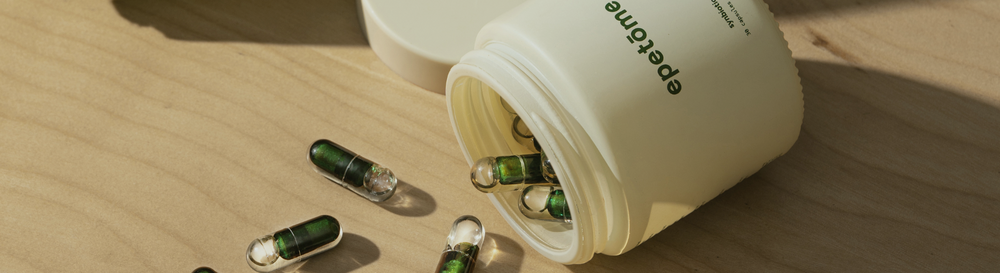
While both supplements are commonly used for their individual health-promoting properties, recent research indicates that their combined use could lead to even greater improvements in various health conditions. In this blog post, we'll explore the promising findings on how co-supplementing vitamin D and probiotics can positively impact your health, based on recent clinical trials.
Oxytocin, often called the "love hormone," is a neuropeptide that plays a key role in brain-to-body communication. Known for its impact on social behaviour, reproduction, and emotional well-being, oxytocin also influences appetite regulation. Emerging research suggests that this powerful hormone helps control hunger, satiety, and food intake, making it an important factor in metabolism and overall health.
Unlocking the power of your gut in 2025: an expert panel join Emily English to explore the powerful connections between gut health and overall wellness.
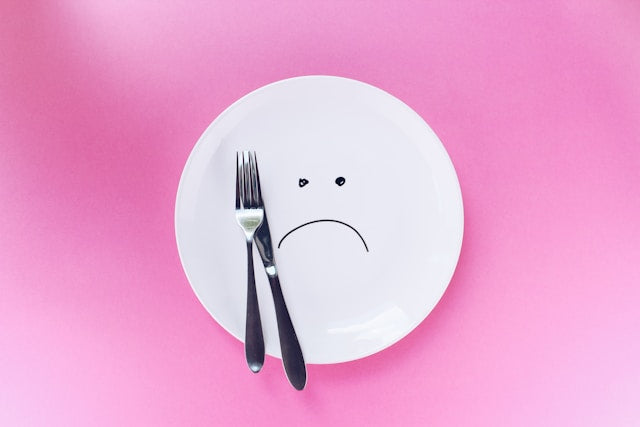


A significant portion of the vital neurotransmitter, serotonin, is produced in our gut.

Your gut barrier isn’t a broken pipe. Learn what “leaky gut” really means, how the gut lining works, and simple ways to support it every day.

Your gut and immune system work as a connected team, with beneficial microbes helping your body recognise threats, stay calm around everyday exposures, and maintain balance. By nourishing your gut with prebiotics, probiotics, and fibre-rich foods, you can strengthen your natural defences, reduce inflammation, and support a more resilient immune response.
Synbiotics are becoming a popular way to support gut health, but it isn’t always obvious when they’re working. From more comfortable digestion to steadier mood, fewer minor infections and even clearer skin, the signs can be subtle at first. Tracking patterns rather than single symptoms, paying attention to post-meal comfort and noticing changes in areas you might not immediately link to your gut can all help you understand your progress more clearly.

Winter puts extra pressure on your immune system. Discover the key nutrients that help your body stay strong, energised, and resilient all season.

Do you know where your immune strength begins? We often think getting sick is down to bad luck or exposure, but the foundation of your defences runs much deeper. With most of the immune system living in the gut, how well your body responds to seasonal change starts long before the first sneeze. This blog explores the powerful connection between gut health and immunity, and why supporting it early can help keep you well through winter.

Cold weather changes your gut, and your gut shapes your immunity. Learn how to support your immune system in winter with synbiotics and nutrient-rich foods.
Not all foods are created equal, and one group in particular has been getting a lot of attention lately: UPFs, or ultra processed foods. So what are they exactly, and why should you care?
Fibre does far more than keep you regular. It fuels your gut microbiome, drives the production of short-chain fatty acids (SCFAs), and supports digestion, metabolism, and immune balance. In this article, we explore the science behind fibre, outline nine key health benefits, and explain why pairing fibre with probiotics in a synbiotic may further support long-term wellbeing.
Discover how movement supports your gut health. From digestion and immunity to mood and bones, every step you take benefits your microbes.
Learn 8 key signs of dysbiosis—from digestive issues and sugar cravings to fatigue, mood changes, and frequent illness—so you can spot the warning signals and restore balance.
Prebiotics are key to a healthy gut but what do they actually do, and how do they support probiotics? Discover the benefits of FOS, and how they improve digestion, immunity, and overall gut balance.
Iron might not always be top of mind - until you’re exhausted, workouts feel harder, and even everyday tasks drain you.
Beyond providing love and companionship, our four-legged friends could be having a surprising impact on our health—especially our gut microbiome. Emerging research suggests that pets aren’t just part of the family; they may also play a key role in supporting our gut health and overall wellbeing.

With hay fever season fast approaching, over 500 million people worldwide are preparing for months of sneezing, itchy eyes, and congestion, making hay fever or allergic rhinitis (AR) one of the most common seasonal conditions. But what causes it, and more importantly, how can it be effectively managed?
While both supplements are commonly used for their individual health-promoting properties, recent research indicates that their combined use could lead to even greater improvements in various health conditions. In this blog post, we'll explore the promising findings on how co-supplementing vitamin D and probiotics can positively impact your health, based on recent clinical trials.
Unlocking the power of your gut in 2025: an expert panel join Emily English to explore the powerful connections between gut health and overall wellness.

Why is IBS a female problem? Here we explore the complexities of bloating, IBS, and effective strategies for alleviating symptoms.

Endometriosis is increasingly understood as a whole-body condition — and emerging research suggests the gut may have more to do with it than previously thought. Here's what the current evidence says.
Synbiotics are becoming a popular way to support gut health, but it isn’t always obvious when they’re working. From more comfortable digestion to steadier mood, fewer minor infections and even clearer skin, the signs can be subtle at first. Tracking patterns rather than single symptoms, paying attention to post-meal comfort and noticing changes in areas you might not immediately link to your gut can all help you understand your progress more clearly.
Discover how movement supports your gut health. From digestion and immunity to mood and bones, every step you take benefits your microbes.

Perimenopause is a unique experience for every woman, with symptoms ranging from hot flashes to mood swings and sleep disruptions. These changes can last from a few months to several years and can heavily impact the quality of life for some women.
Oxytocin, often called the "love hormone," is a neuropeptide that plays a key role in brain-to-body communication. Known for its impact on social behaviour, reproduction, and emotional well-being, oxytocin also influences appetite regulation. Emerging research suggests that this powerful hormone helps control hunger, satiety, and food intake, making it an important factor in metabolism and overall health.
Unlocking the power of your gut in 2025: an expert panel join Emily English to explore the powerful connections between gut health and overall wellness.
Enhancing digestion and alleviating symptoms of bloating and IBS - probiotics as a promising ally.
A significant portion of the vital neurotransmitter, serotonin, is produced in our gut.

