






endometriosis and gut health: exploring the microbiome–hormone–immune connection.
Endometriosis is an inflammatory condition driven by oestrogen and influenced by many factors including immunity, environment and genetic causes. What is endometriosis? Endometriosis is where cells similar to the lining of the uterus (the endometrium) are found outside the uterus. It is a chronic (long term) condition which is driven by oestrogen, and also causes inflammation. It causes many symptoms which can vary over time which include: Abnormal bleeding or spotting between periods Painful periods Chronic pelvic pain Pain during and after sex Painful bowel movements or passing urine during periods Fatigue Shoulder pain How Are Endometriosis and Gut Health Connected? 1 in 10 women from puberty to menopause have endometriosis. Many factors affect endometriosis, one of which is gut health. Many women with endometriosis will have gastrointestinal symptoms including bloating, diarrhoea, constipation and pain. The specific cause of endometriosis is not known but it there is a link with gut health through chronic inflammation and gut microbiome imbalance (dysbiosis). Shared biological pathways between endometriosis and gut health There are overlapping mechanisms between endometriosis and gut health. chronic inflammation immune dysregulation altered microbiome composition There are higher levels of pro-inflammatory bacteria in the gut in endometriosis lower levels of beneficial bacteria such as lactobacillus which help to keep the gut barrier intact. The lower levels of these beneficial bacteria can cause the gut to be leaky. The pro-inflammatory bacteria release lipopolysaccharides which can enter into the blood stream through the leaky gut and can trigger inflammation. This environment can then support the growth of endometriosis. Why endometriosis affects more than the reproductive system Endometriosis is a chronic inflammatory condition, and can have effects through the body, particularly on our digestive health. Inflammation and immune activity can influence our digestive health. The gut has a strong influence on our immune system,...


On this page
Date written:
Last updated:
Endometriosis is an inflammatory condition driven by oestrogen and influenced by many factors including immunity, environment and genetic causes.
What is endometriosis?
Endometriosis is where cells similar to the lining of the uterus (the endometrium) are found outside the uterus. It is a chronic (long term) condition which is driven by oestrogen, and also causes inflammation.
It causes many symptoms which can vary over time which include:
-
Abnormal bleeding or spotting between periods
-
Painful periods
-
Chronic pelvic pain
-
Pain during and after sex
-
Painful bowel movements or passing urine during periods
-
Fatigue
-
Shoulder pain
How Are Endometriosis and Gut Health Connected?
1 in 10 women from puberty to menopause have endometriosis. Many factors affect endometriosis, one of which is gut health. Many women with endometriosis will have gastrointestinal symptoms including bloating, diarrhoea, constipation and pain. The specific cause of endometriosis is not known but it there is a link with gut health through chronic inflammation and gut microbiome imbalance (dysbiosis).
Shared biological pathways between endometriosis and gut health
There are overlapping mechanisms between endometriosis and gut health.
- chronic inflammation
- immune dysregulation
- altered microbiome composition
There are
-
higher levels of pro-inflammatory bacteria in the gut in endometriosis
-
lower levels of beneficial bacteria such as lactobacillus which help to keep the gut barrier intact.
The lower levels of these beneficial bacteria can cause the gut to be leaky. The pro-inflammatory bacteria release lipopolysaccharides which can enter into the blood stream through the leaky gut and can trigger inflammation. This environment can then support the growth of endometriosis.
Why endometriosis affects more than the reproductive system
Endometriosis is a chronic inflammatory condition, and can have effects through the body, particularly on our digestive health. Inflammation and immune activity can influence our digestive health. The gut has a strong influence on our immune system, and imbalance in the gut can then drive further inflammatory symptoms.
Inflammation has a variety of effects on digestive health including affecting the gut barrier, reducing the diversity of the bacteria in the microbiome, and reducing movement in the gut.
Why endometriosis symptoms can overlap with digestive disorders
There can be an overlap of endometriosis symptoms and digestive disorders including irritable bowel syndrome (IBS). Endometrial-like tissue can grow on or near the bowels which causes inflammation, structural changes and nerve irritation.
In addition, the endometriosis inflammation affects our gut health, this affects the microbiome and which can also cause the symptoms of IBS.
How is oestrogen linked to gut health?
The estrobolome is a group of bacteria in the gut that helps process and regulate oestrogen
Oestrogen is produced in the ovaries and then carried round the body in an activated form. It is deactivated in the liver and then excreted in the gut. Oestrogen can be recycled in the gut by bacteria which process and regulate oestrogen levels - this is The estrobolome.
Good gut health is important for this to happen effectively. Chronic inflammation can affect this and can disrupt hormone metabolism.
Why does oestrogen balance matter in endometriosis?
Endometriosis is an oestrogen dependent condition - oestrogen drives the growth of the endometriosis tissue. If the oestrogen is not being recycled effectively in the gut, this can lead to an imbalance, and oestrogen levels being higher which can contribute to lesion growth. In addition, oestrogen has an anti-inflammatory action. If the balance is changed, this can contribute to more inflammation which in turn can make symptoms worse.
Can gut bacteria influence circulating oestrogen levels?
Yes they can. The bacteria in the gut produce an enzyme called beta glucoronidase. This enzyme converts oestrogen into its active form, which allows it to be reabsorbed and recirculated instead of being excreted - recycling of the oestrogen. If there is imbalance in the gut, this affects levels of the beta glucoronidase, which can cause levels of oestrogen to be too low, or too high.
Does gut barrier function influence systemic inflammation?
The gut barrier plays an important role in systemic (affecting the entire body) inflammation. It stops bacteria and toxins leaking into the blood stream. When the gut barrier is affected, bacteria and toxins can move across into the blood stream which can then trigger the immune system and cause inflammation in the body.
What is the role of immune signalling in endometriosis?
Your immune system is designed to protect you however in endometriosis, this system doesn’t work quite as it should.
Normally, if tissue similar to the lining of the uterus appears elsewhere in the body, immune cells would recognise it as “out of place” and remove it.
In endometriosis:
-
Natural killer cells, which usually destroy abnormal cells, become less effective
-
Macrophages, which typically clean up unwanted tissue, can start releasing substances that encourage growth and inflammation instead
There’s also an increase in chemical messengers called cytokines. These help immune cells communicate—but in endometriosis, there are too many of them. This can lead to:
-
Ongoing inflammation
-
Increased lesion growth
-
Reduced ability to clear the tissue away
So instead of removing the tissue, the immune system ends up creating an environment where it can survive.
What Is Endo Belly?
Endo belly is a non medical term for intense lower abdominal swelling/bloating, pressure and other symptoms including constipation, diarrhoea and nausea that can be experienced by people with endometriosis. It happens most commonly during periods, however can occur at any time.
What causes endo belly?
It is caused by endometriosis cells outside the uterus, especially near the bowels which can cause tissue inflammation, adhesions (scar tissues) and trapped blood.
How to manage endo belly
A variety of approaches can help with managing endo belly including
-
Dietary - avoid triggers, mediterranean diet, plenty of water, FODMAP (more later) can help, probiotics
-
Lifestyle - heat therapy, gentle exercise, yoga, stress management
-
Medical treatment - includes non steroidal anti-inflammatory medication and hormonal therapy
-
Surgical treatment
What Is the Estrobolome and Why Does It Matter?
The estrobolome is a group of bacteria in your gut that helps process and regulate oestrogen levels in the body.
How the estrobolome regulates oestrogen levels
-
Oestrogen is mainly produced in the ovaries
-
It travels around the body in an active form, where it carries out its effects
-
Afterward, it’s sent to the liver, where it’s processed and prepared for removal
-
From there, it moves into the gut to be excreted. The bacteria in the gut produce an enzyme called beta glucoronidase. This enzyme converts oestrogen into its active form, which allows it to be reabsorbed and recirculated instead of being excreted - recycling of the oestrogen. If there is imbalance in the gut, this affects levels of the beta glucoronidase, which can cause levels of oestrogen to be too low, or too high.
The role of beta-glucuronidase in oestrogen recirculation
Certain gut bacteria produce an enzyme called beta-glucuronidase. This enzyme can:
-
Convert oestrogen back into its active form
-
Allow it to be reabsorbed into the bloodstream instead of being removed
This process recycles oestrogen and is an important part of maintaining hormonal balance. When there is an imbalance in gut bacteria (dysbiosis), it can affect how much beta-glucuronidase is produced. This may lead to:
-
Too much oestrogen being reabsorbed (higher circulating levels)
-
Or too little being recycled (lower levels)
How gut dysbiosis may contribute to endometriosis
The gut microbiome plays an important role in regulating inflammation. There can be changes in the gut microbiome in endometriosis with less diversity of bacteria leading to dysbiosis - imbalance.
This can then lead to:
-
leaky gut, which allows toxins and bacteria into the blood stream which cause inflammation, and increases the growth of endometriosis
-
Dysbiosis of the estrobolome - meaning less recycling of oestrogen in the gut, leading to higher levels of oestrogen which can fuel the growth of endometrial lesions.
-
Chronic inflammation and immune dysfunction - gut dysbiosis can trigger systemic inflammation which increases cytokines which help the endometrial lesions to survive
Can Endometriosis Cause IBS-Like Symptoms?
IBS (irritable bowel syndrome) is a common functional gastrointestinal disorder affecting up to 20% of the population. Symptoms include abdominal pain- often relieved by a bowel movement,, bloating, constipation or diarrhoea. It needs to be present for 6 months to diagnose. You can also get other symptoms including lethargy, nausea, backache, bladder symptoms and gynaecological symptoms.
Endometriosis can cause many symptoms including bloating, abdominal pain, diarrhoea and constipation, with up to 80% of people with endometriosis reporting GI symptoms.. These symptoms can all be experienced in irritable bowel syndrome which can lead to confusion in diagnosis. The average length of time to diagnose endometriosis is 9 years (even longer in some communities), and many people will receive a diagnosis of IBS in this time.
Key differences between endometriosis digestive symptoms and IBS
Endometriosis digestive symptoms are often cyclical, occuring at the time of menstruation or ovulation. These can include severe bloating and pain (endo belly), intense pain with bowel movements during the period, and sometimes blood in the stool, constipation and diarrhoea.
IBS symptoms can vary when they occur. They can increase in times of stress but are not usually related to cycle. Symptoms include diarrhoea, constipation, abdominal pain which is relieved with bowel movements and bloating.
When to speak to a doctor
If you are having symptoms you think may be endometriosis, it’s really important to see your GP or specialist. As discussed there can be many symptoms including painful periods, painful sex, chronic pelvic pain, digestive symptoms and also low mood or anxiety and infertility.
It’s really helpful to track your symptoms with a period tracker, and note when you are experiencing them, intensity of pain and the dates of your period. You can then show this at medical appointments which is very useful.
If you find your symptoms are affecting your quality of life, attending school or work or impacting relationships (or a combination of these) please see your GP or specialist to discuss and find out options to both treat your symptoms and what investigations may be needed.
What Should You Eat for Endometriosis and Gut Health?
Diet cannot cure endometriosis but may support inflammation regulation and gut microbiome balance. Following an anti-inflammatory diet for endometriosis can help. The mediterranean diet focuses on whole unprocessed foods and healthy fats and is recommended.
H3: Anti-inflammatory foods to prioritise
Example include
- fruit (especially berries)
- vegetables, - especially leafy green vegetables
- fish eg oily with high omega 3 eg salmon
- nuts and seeds including chia seeds, walnuts, almonds
- whole grains eg oats, quinoa, brown rice
- beans and legumes
- eggs - lots of omega 3 and vitamin D
- tea - especially green (contains an anti-inflammatory compound EGGC), peppermint and chamomile
Foods that may worsen endometriosis symptoms
Potential triggers can include high sugar foods eg sweets and deserts, red and processed meat, alcohol, caffeine, deep fried food, gluten, highly processed food and refined carbohydrates eg bread, pastry. Some people can also find dairy products to be a trigger.
The role of fibre and prebiotics
Fibre plays an important role. It helps to bind to the excess oestrogen in the gut which supports the estrobolome and helps to promote oestrogen excretion. It supports the diversity of microbes in the gut, which again supports the estrobolome and can reduce the symptoms of endometriosis. It also helps to improve our digestion, helping regular bowel movements and preventing constipation.
Prebiotics can also play an important role. are a type of fermentable fibre which feed the beneficial bacteria (probiotics) in our gut. This leads to reduced inflammation, strengthens the gut barrier and also helps to regulate the estrobolome.
Should you try a low-FODMAP diet?
FODMAP is a type of carbohydrate (fermentable short chain) which can be more difficult to digest. These include
-
some vegetables eg onion, garlic
-
Some fruits eg applies, cherries, plums
-
Some Dairy - milk, soy milk
-
Some proteins - legumes, some processed meats
-
Breads & cereals- including wheat, rye, barley
-
Sugars and sweeteners
-
Nut and seeds - cashew, pistachios
A low-FODMAP diet is to help identify triggers and manage symptoms of IBS. Some carbohydrates can be difficult to digest and the plan looks to reduce these. It follows 3 phases - elimination of food, reintroduction and then personalisation with low FODMAP alternatives.
It can help with digestive symptoms but it is not designed as a low term strategy for managing endometriosis. It is really important to follow the advice of a dietician for a low FODMAP diet due to the restrictive nature of the diet.
Can Probiotics Help With Endometriosis?
There is emerging research which suggests the gut microbiome may influence inflammation, immune regulation, and oestrogen metabolism. Probiotics are live bacteria and yeasts - good microbes- which can help the gut microbiome and help digestion, reduce inflammation and support the function of the immune system.
Gut dysbiosis can contribute to endometriosis symptoms, so probiotics can help with endometriosis by supporting our gut.
H3: Probiotic strains that may support gut health in endometriosis We have many different types of probiotics in the gut, some of which may support gut health in endometriosis, particularly:
- Lactobacillus species (may influence oestrogen metabolism)
- Bifidobacterium species (anti-inflammatory and immune support)
The role of prebiotics in supporting beneficial gut bacteria
Prebiotics promote the growth of beneficial bacteria, acting as fuel or a fertilizer for them. They are fermentable fibres which are not fully digested by the body, which include
- FOS (fructooligosaccharides)
- GOS (galactooligosaccharides)
- resistant starch
These are contained in a variety of foods including some fruit eg bananas and vegetables eg leeks and asparagus, nuts and grains and also lentils, chickpeas, soya and black beans.
Choosing a probiotic or synbiotic supplement
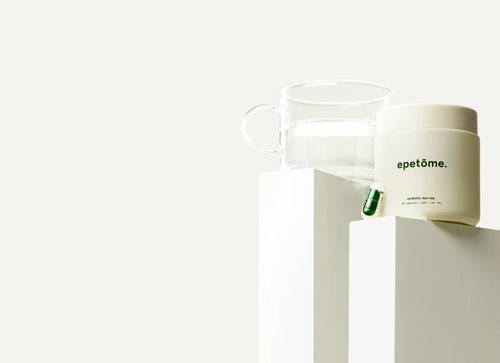
Synbiotics contain both prebiotics and probiotics, and this can help the effectiveness and survival of the microbes.
We need many different microbes to support the microbiome, so it is important to have good diversity of strains and a high CFU (colony forming units) . Check that the probiotic or synbiotic will help the area of health you're looking to help eg digestive symptoms, and see if the probiotics contained will support this.
Consistency of taking the probiotics or synbiotics makes a difference, and it can take at least a month to see the benefits.
What Lifestyle Changes Support Gut Health With Endometriosis?
Lifestyle factors influence inflammation, hormone balance, and microbiome health. Improving these can all help improve symptoms of endometriosis so its really important to pay attention to lifestyle, and introducing changes if needed.
Stress management and inflammation
Explain the impact of cortisol on gut permeability and inflammatory pathways. Examples: mindfulness, yoga, breathwork.
Cortisol is a hormone which is released in response to stress. When acute- short term - cortisol can have an anti-inflammatory effect. However, when levels are raised for longer periods, this can affect gut permeability (leaky gut) and can lead to inflammatory pathways.
Looking at ways to help manage stress, can help to reduce cortisol levels and therefore improve gut permeability and reduce inflammation.
This can include
-
Physical relaxation - includes yoga, walking, breathwork
-
Mental strategies- including mindfulness, journaling
-
Lifestyle changes- focus on sleep and healthy eating.
Movement and exercise
Moderate physical activity can support microbial diversity and reduce inflammation, helping with pain and improving digestion which can help to reduce the symptoms of endometriosis.
Sleep quality and circadian rhythm
In endometriosis, pain and inflammation can affect sleep, reduce the amount and quality of sleep.
Poor sleep and disruption of the circadian rhythm can
-
Disrupt the gut brain axis, which can increase leaky gut
-
This leads to increased inflammation and endometriosis symptoms
-
Affect the composition of the gut microbiome which can affect hormone regulation
-
Affect gut motility,
-
Reduce our immune function
Sleep hygiene is really helpful in improving sleep including going to sleep and waking up at the same time each day, have a dark cool bedroom, avoid screen use for 1-2 hours before bed to help boost melatonin production, use relaxation techniques and also focus on a healthy diet to support the gut microbiome.
H3: Reducing exposure to environmental oestrogens Examples include limiting BPA and phthalates in plastics and personal care products.
Environmental oestrogens are natural or synthetic compounds whic can minic, block or interfere with the natural oestrogen in the body. They include chemical BPA in plastics, phthalates in toiletries and pesticides residues.
To help reduce exposure, looking to reduce exposure to these chemicals can be helpful by eating organic food, using glass or stainless steel containers to store food, use natural toiletries, avoid fragrance in products (often contain phthalates) and use items with essential oils or fragrance free, and choose natural cleaning products.
FAQs
Q: Is endometriosis linked to gut health?
Studies have shown that there is an association with gut health.
Q: Can endometriosis cause gut problems?
Digestive symptoms including abdominal pain, bloating, constipation and diarrhoea are common in endometriosis, particularly at the time of endometriosis
Q: What is the estrobolome?
The estrobolome is a group of bacteria in your gut that helps process and regulate oestrogen levels in the body.
Q: Can gut bacteria affect oestrogen levels?
Yes. Oestrogen is recycled in the gut in the estrobolome, so if there is dysbiosis (imbalance) in the gut bacteria, this can affect oestrogen levels.
Q: Does inflammation in the gut influence pelvic pain?
Gut inflammation can lead to leaky gut, which can lead to more widespread inflammation which can influence pain.
Q: Are dietary changes useful in endometriosis management?
Yes, they really can make a difference. Having plenty of protein, fibre, fruit, vegetables and whole grains contribute to a healthy gut microbiome. This is turn helps support oestrogen levels and reduce inflammation.
Q: Can improving gut health treat endometriosis?
It can help to improve symptoms. Oestrogen drives endometriosis. Having a healthy gut microbiome can reduce inflammation and stabilise oestrogen levels, which can help to improve endometriosis symptoms.


Perimenopause is a unique experience for every woman, with symptoms ranging from hot flashes to mood swings and sleep disruptions. These changes can last from a few months to several years and can heavily impact the quality of life for some women.

Oxytocin, often called the "love hormone," is a neuropeptide that plays a key role in brain-to-body communication. Known for its impact on social behaviour, reproduction, and emotional well-being, oxytocin also influences appetite regulation. Emerging research suggests that this powerful hormone helps control hunger, satiety, and food intake, making it an important factor in metabolism and overall health.
