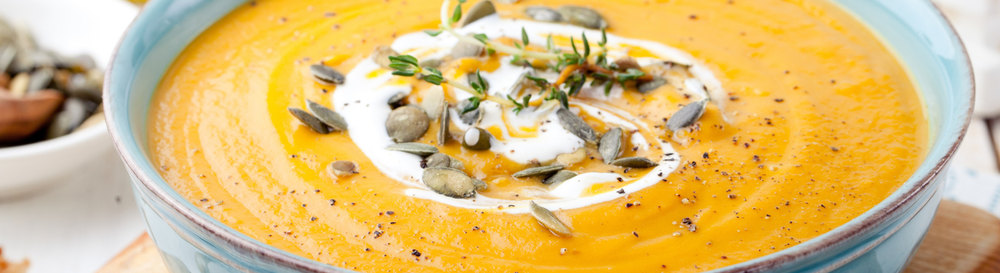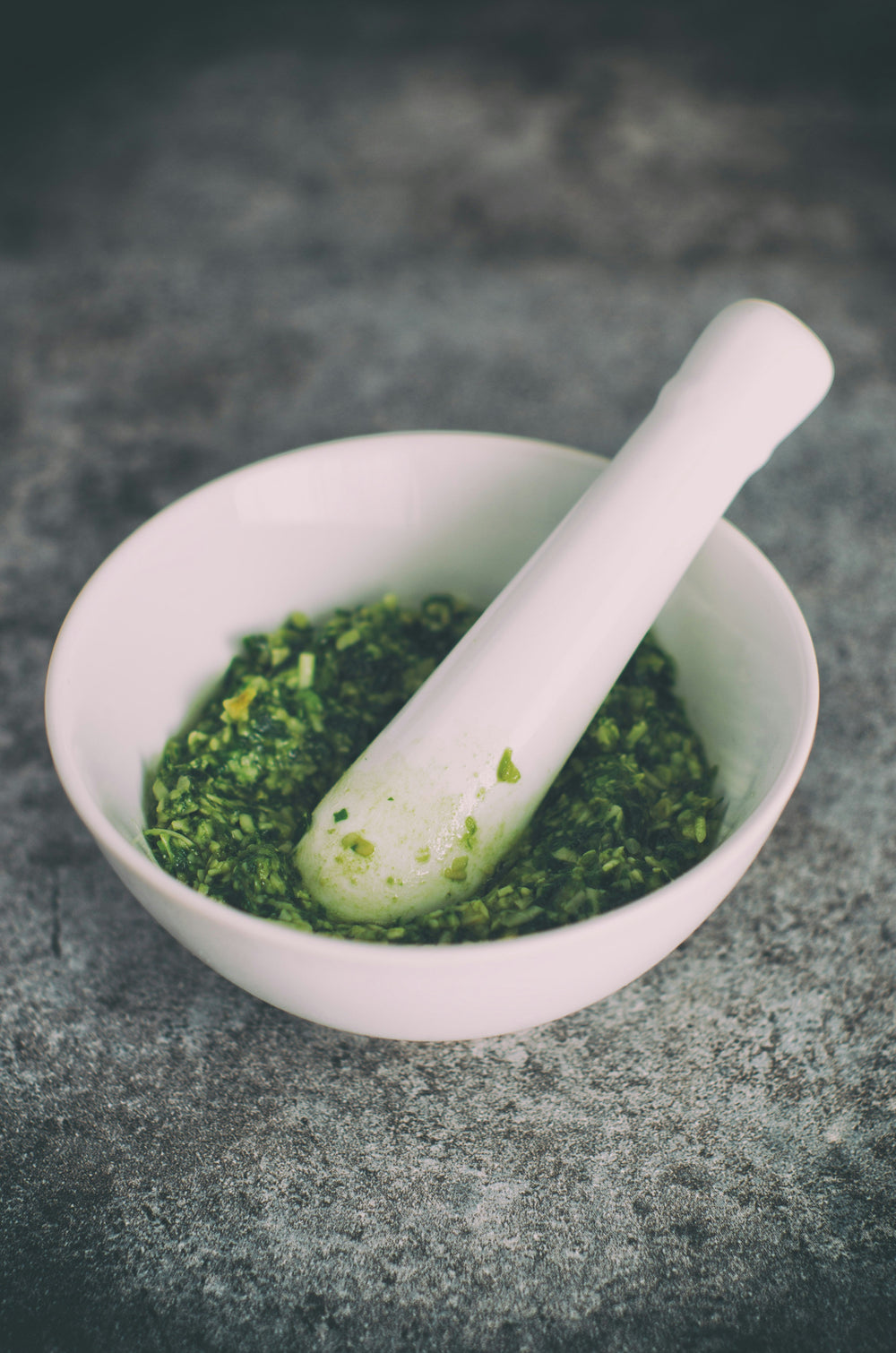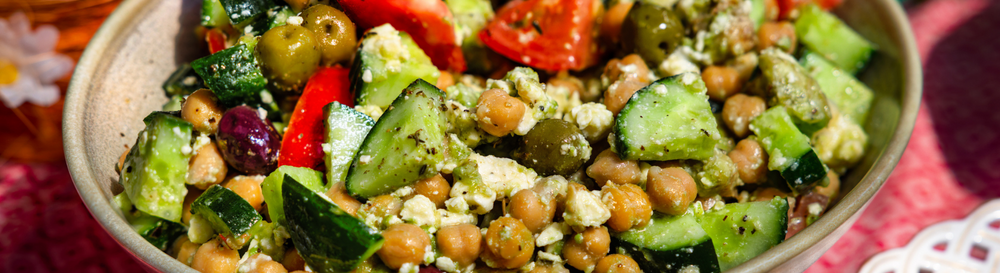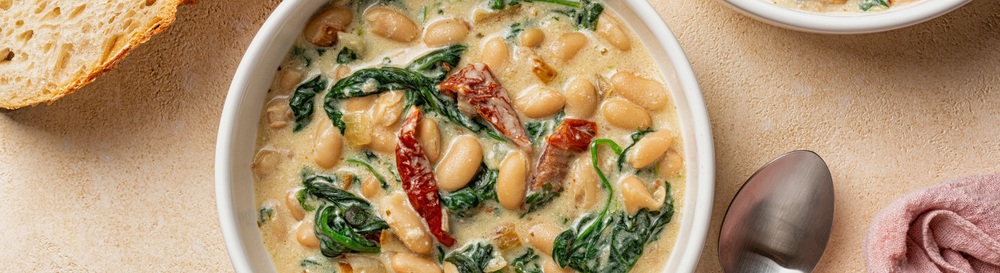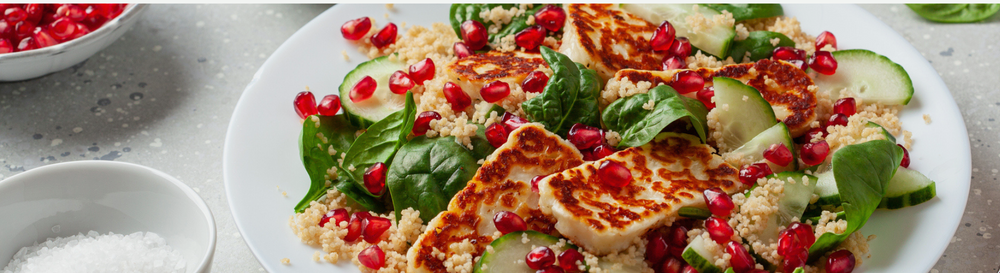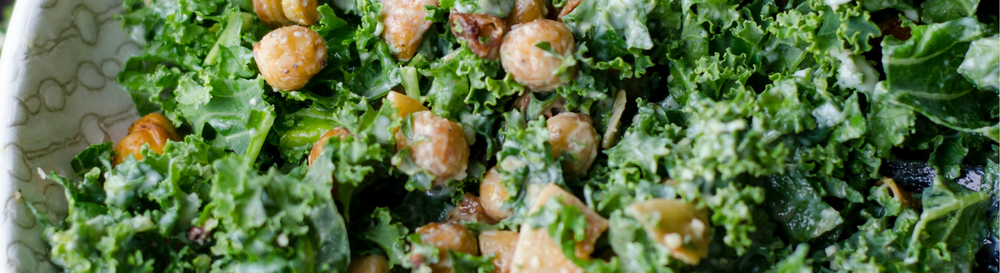







This creamy green soup brings together broccoli, cauliflower, and kale for a delicious bowl that feels both comforting and energising. Finished with crispy chickpeas and toasted almonds, it is an easy way to enjoy a whole day’s worth of greens in one simple, nourishing meal.
why exercise matters for gut health.
Why Exercise Matters For Gut Health Exercise is widely understood to support cardiovascular fitness, mental wellbeing and weight management. What is less commonly discussed is its relationship with the gut. A growing body of research suggests that regular physical activity plays a meaningful role in shaping the gut microbiome, supporting digestion and influencing how we feel day to day. Understanding this connection can help you make more informed choices about how movement fits into your overall health. What Is the Gut's Role in Overall Health? The gut is home to the gut microbiome, a vast community of trillions of tiny microorganisms including bacteria, viruses and fungi. Think of it as a living ecosystem inside your digestive system that helps your body function properly, from fighting off illness to processing the food you eat. The gut lining also acts as a protective barrier, carefully controlling what gets into your bloodstream and what does not. When this balance is disrupted, a state known as dysbiosis, it can trigger widespread inflammation that affects far more than just digestion. This is why supporting gut health through everyday habits is increasingly recognised as important to overall health, not just how comfortable your stomach feels. How Does Exercise Affect the Gut? Exercise influences the gut in several ways, including: Increasing blood flow to the digestive tract Helping food move through the system more efficiently, known as gut motility Supporting the balance and variety of bacteria in the gut microbiome Strengthening the gut lining One of the key ways exercise benefits the gut is by encouraging the growth of bacteria that produce compounds called short-chain fatty acids, or SCFAs. These are made when gut bacteria break down the fibre you eat, and they play an important role in: Keeping the gut lining healthy and strong Supporting the...

print page
why exercise matters for gut health.
5 minutes

On this page
Date written:
Last updated:
Why Exercise Matters For Gut Health
Exercise is widely understood to support cardiovascular fitness, mental wellbeing and weight management. What is less commonly discussed is its relationship with the gut. A growing body of research suggests that regular physical activity plays a meaningful role in shaping the gut microbiome, supporting digestion and influencing how we feel day to day. Understanding this connection can help you make more informed choices about how movement fits into your overall health.
What Is the Gut's Role in Overall Health?
The gut is home to the gut microbiome, a vast community of trillions of tiny microorganisms including bacteria, viruses and fungi. Think of it as a living ecosystem inside your digestive system that helps your body function properly, from fighting off illness to processing the food you eat.
The gut lining also acts as a protective barrier, carefully controlling what gets into your bloodstream and what does not. When this balance is disrupted, a state known as dysbiosis, it can trigger widespread inflammation that affects far more than just digestion.
This is why supporting gut health through everyday habits is increasingly recognised as important to overall health, not just how comfortable your stomach feels.
How Does Exercise Affect the Gut?
Exercise influences the gut in several ways, including:
-
Increasing blood flow to the digestive tract
-
Helping food move through the system more efficiently, known as gut motility
-
Supporting the balance and variety of bacteria in the gut microbiome
-
Strengthening the gut lining
One of the key ways exercise benefits the gut is by encouraging the growth of bacteria that produce compounds called short-chain fatty acids, or SCFAs. These are made when gut bacteria break down the fibre you eat, and they play an important role in:
-
Keeping the gut lining healthy and strong
-
Supporting the immune system
-
Helping the body manage inflammation
The effects of exercise on the gut will vary from person to person. What research consistently points toward, however, is that regular moderate movement has a broadly positive effect on the gut system.
How Does Exercise Affect the Gut Microbiome?
A more diverse gut microbiome, meaning a wider variety of bacterial species living in the gut, is generally associated with better health. A richer community of bacteria is better equipped to support immunity, produce beneficial compounds and keep the gut lining intact.
Research has found that in humans, exercise tends to increase the types of bacteria that produce these beneficial compounds, which in turn helps keep the gut lining strong and reduces inflammation. In simple terms, exercise appears to encourage the growth of beneficial gut bacteria that produce compounds which help keep the gut lining strong and reduce inflammation.
It is worth noting that over half of human studies have found no significant change in gut bacteria diversity from exercise alone. This is not surprising. The gut microbiome is shaped by many factors, not just physical activity, including:
-
What you eat, particularly how much fibre you get
-
How well you sleep
-
Your stress levels
-
Your age and genetics
-
Any medications you take
Exercise is one important piece of the puzzle, but it works best alongside other healthy habits.
How Does Exercise Affect Digestion?
Moderate exercise is generally associated with better digestive function, more regular bowel habits and a healthier gut microbiome. This is largely because movement increases blood flow to the gut and has natural anti-inflammatory effects, both of which support smoother digestion.
Exercise also helps regulate the nerves that control how the digestive tract moves and functions. Light exercise in particular, such as a walk after a meal, appears to help the stomach empty more efficiently.
For people living with irritable bowel syndrome (IBS), which affects a significant proportion of the UK population, this is especially relevant. Research has found that regular exercise can reduce IBS symptom severity by between 15% and 66%, and improve quality of life by up to 41%. Several national treatment guidelines now include physical activity as a recommended part of IBS management.
Does the Type of Exercise Matter?
Different types of exercise affect the gut in different ways.
Moderate aerobic exercise, such as brisk walking, cycling and swimming, is associated with the most consistent benefits for gut health:
-
Improved bowel regularity
-
Reduced constipation
-
Greater variety of gut bacteria over time
-
Lower levels of gut inflammation
For most people, around 150 minutes of moderate activity per week, in line with general health guidelines, appears to be enough to make a meaningful difference to digestive function.
Resistance training, such as weight training or bodyweight exercises, appears to complement aerobic exercise well. Research suggests that combining the two has a stronger effect on gut bacteria diversity than either approach alone, and is linked to a lower risk of chronic metabolic conditions.
High-intensity exercise has a more complicated relationship with the gut. Very intense or prolonged exercise, particularly in endurance athletes, can temporarily weaken the gut lining and trigger inflammation. These effects are generally not seen with moderate exercise in the general population, so for most people the risks remain low.
Practical Ways to Support Your Gut Through Movement
You do not need to overhaul your routine to support your gut through exercise. These practical steps are grounded in current research.
1. Move regularly, at a pace that feels manageable
Consistency matters more than intensity when it comes to gut health. Research suggests that moderate sessions of exercise are enough to support positive changes in gut bacteria, while very long or intense sessions can sometimes undo those benefits. A steady routine of manageable movement is more effective for the gut than occasional bursts of high effort.
2. Think about when you eat around exercise
Exercising hard immediately after a meal can cause discomfort and slow digestion. Light movement after eating, such as a short walk, is generally well tolerated and may actually help your stomach empty more comfortably.
3. Back up your movement with a gut-friendly diet
Exercise and diet work together to shape the gut microbiome. A diet high in fibre and varied in protein, with plenty of plants and healthy fats, has shown the most promising results for gut health. Foods that may support a diverse microbiome include:
-
Wholegrains such as oats, brown rice and rye bread
-
Vegetables, particularly leeks, garlic and onions
-
Fruit, especially berries and apples
-
Legumes such as lentils, chickpeas and beans
-
Fermented foods such as live yoghurt, kefir and sauerkraut
In the UK, adults are generally advised to aim for around 30g of fibre per day. If your intake has been low, it is best to increase gradually to avoid discomfort.
4. Consider probiotics as part of a broader approach
Research suggests that probiotics may support recovery after exercise, improve nutrient absorption, ease gastrointestinal symptoms and help maintain immune function in active individuals. They are not a quick fix, but as part of a wider approach to gut health they may be worth considering. Keep in mind that:
-
Consistency is important; taking them occasionally is unlikely to make much difference
-
Individual responses vary, depending on your existing gut bacteria and diet
In Summary
The relationship between exercise and gut health runs in both directions. Regular moderate movement supports the gut microbiome, improves digestion and helps regulate the connection between the gut and the brain. A healthy, diverse microbiome in turn helps the body recover from and adapt to physical activity.
References
-
Mailing LJ, et al. Effects of Exercise on Gut Microbiota of Adults: A Systematic Review and Meta-Analysis. Nutrients. 2024;16(7):1070. PMC11013040.
-
Mohr AE, et al. Physical Exercise and the Gut Microbiome: A Bidirectional Relationship Influencing Health and Performance. Nutrients. 2024;16(21). PubMed PMID: 39519496.
-
Boytar AN, et al. The Effect of Exercise Prescription on the Human Gut Microbiota and Comparison between Clinical and Apparently Healthy Populations: A Systematic Review. Nutrients. 2023;15(6). PMC10054511.
-
Dimarco D, et al. A Systematic Review on the Effects of Exercise on Gut Microbial Diversity, Taxonomic Composition and Microbial Metabolites. Front Physiol. 2023;14:1292673. PubMed PMID: 38187136.
-
Rao JN, et al. Exploring the Gut-Exercise Link: A Systematic Review of Gastrointestinal Disorders in Physical Activity. PMC12175863. 2025.
-
Cavalcanti de Albuquerque JP, et al. Physical Exercise as a Therapeutic Approach in Gastrointestinal Diseases. J Clin Med. 2025;14(5):1708. PMC11899784.
-
Lindsell HB, et al. Could the Therapeutic Effect of Physical Activity on Irritable Bowel Syndrome Be Mediated Through Changes to the Gut Microbiome? Neurogastroenterol Motil. 2025;37(6):e70004. PubMed PMID: 40026117.
-
Frontiers in Neuroscience. Exercise as a Modulator of the Gut–Brain Axis. Front Neurosci. 2025;19:1639099.
-
Bertollo AG, et al. Hypothalamus-Pituitary-Adrenal and Gut–Brain Axes in Biological Interaction Pathway of the Depression. Front Neurosci. 2025. PMC11839829.
-
Al Bander Z, et al. The Gut–Brain Axis and Mental Health: How Diet Shapes Our Cognitive and Emotional Well-Being. PMC12366197. 2025.
-
Cataldi S, et al. The Relationship between Physical Activity, Physical Exercise and Human Gut Microbiota in Healthy and Unhealthy Subjects: A Systematic Review. Biology. 2022;11(3):479. PubMed PMID: 35336852.
-
Holscher HD, et al. Fueling Gut Microbes: A Review of the Interaction between Diet, Exercise and the Gut Microbiota in Athletes. Adv Nutr. 2021. PubMed PMID: 34229348.
-
Mohr AE, et al. The Role of the Gut Microbiome and Probiotics in Sports Performance: A Narrative Review Update. Nutrients. 2025;17(4):690. PMC11858190.
frequently asked questions
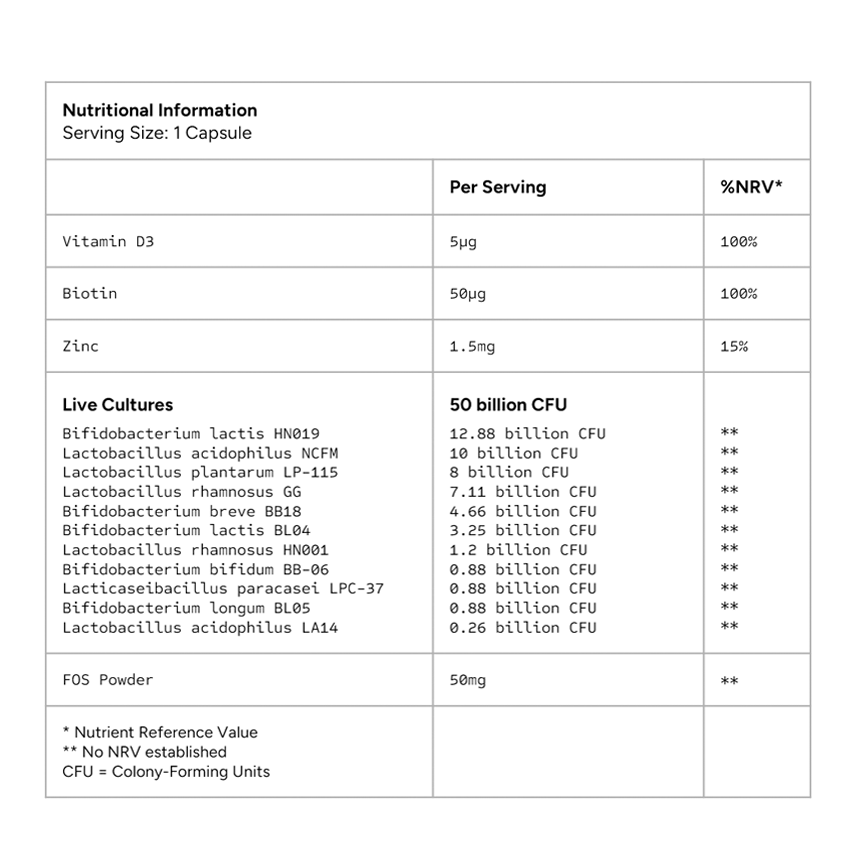
Is the synbiotic duo cap a probiotic?
How long do I need to take the synbiotic duo cap for?
What are the active ingredients in the synbiotic duo cap?
lifestyle. gut health recipes.
ready in 10 minutes
herb-whipped cottage cheese chicken bagels.
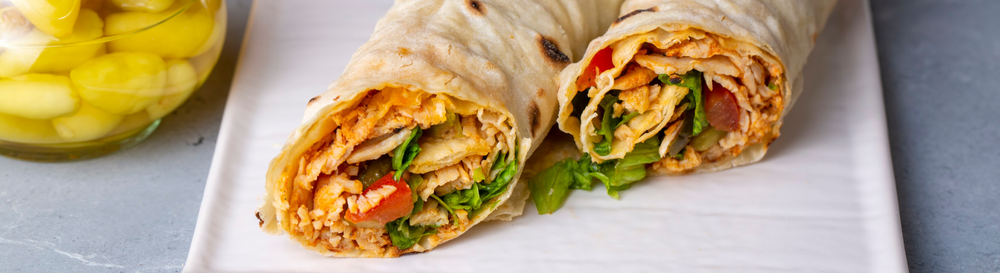
These basil whipped cottage cheese protein bagels make a fresh, high-protein breakfast or lunch, combining creamy herb-blended cottage cheese with juicy chicken, rocket, and tomatoes. They’re quick to assemble, packed with flavour, and perfect for a nourishing breakfast or light lunch.
ready in 10 minutes
kiwi chocolate protein chia pots.
These Kiwi Chocolate Protein Chia Pots make an ideal high-fibre, high-protein breakfast that keeps you full and energised all morning. They’re quick to prepare, easy to store, and perfect for a healthy grab-and-go option.
ready in 15 minutes
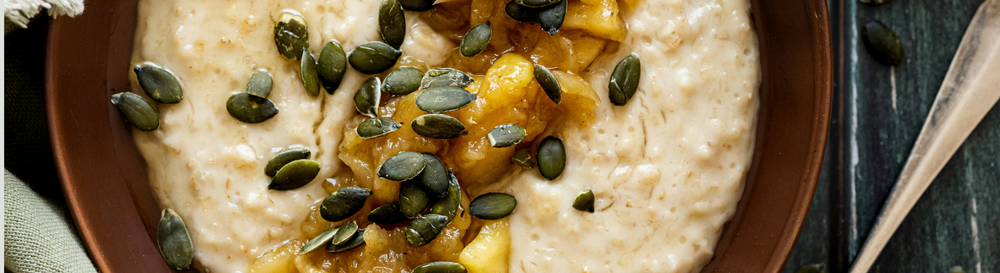
spiced apple porridge.
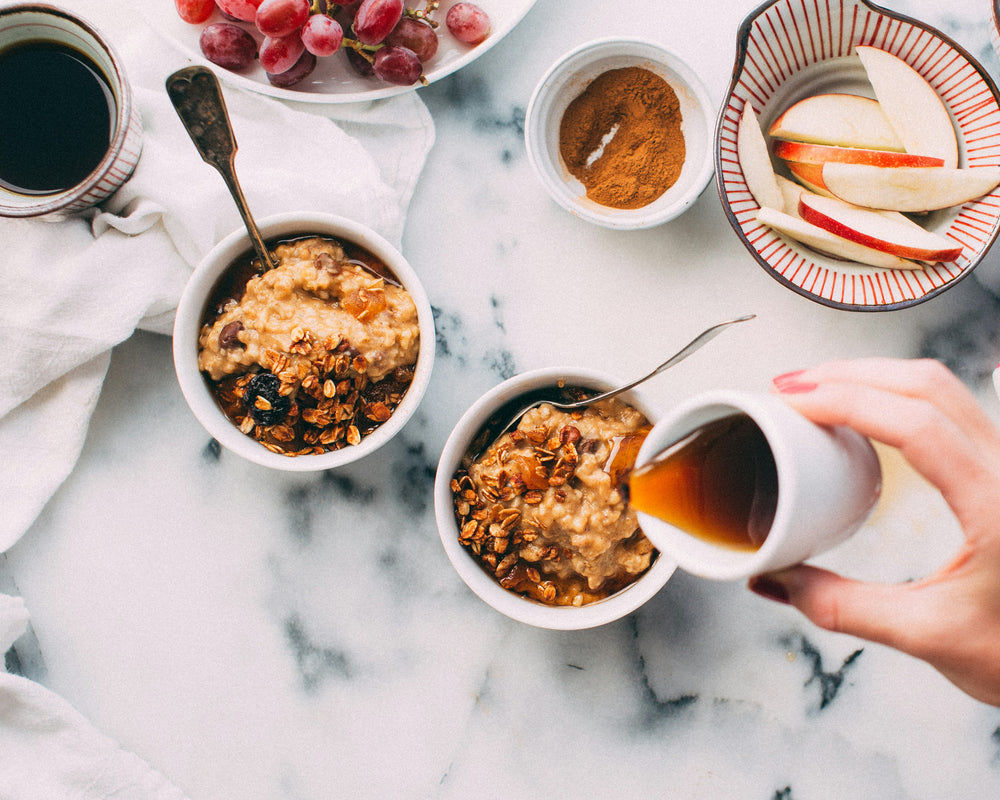
This spiced apple and pumpkin seed porridge is a warming, high-fibre breakfast that’s perfect for cosy mornings. Made with creamy oats, gently caramelised apples and a crunchy pumpkin seed topping, it’s ready in just 15 minutes and serves one.
ready in 50 minutes
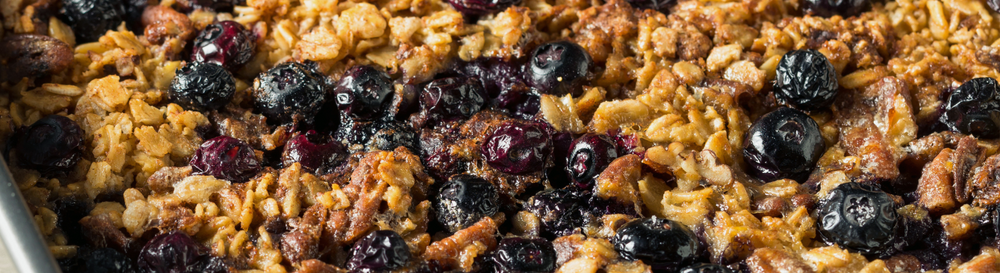
prep-ahead baked blueberry oats.
These prep-ahead oven-baked oats with blueberries and bananas are rich in protein and fibre, making them a nourishing, gut-friendly breakfast to enjoy all week.
ready in 15 minutes
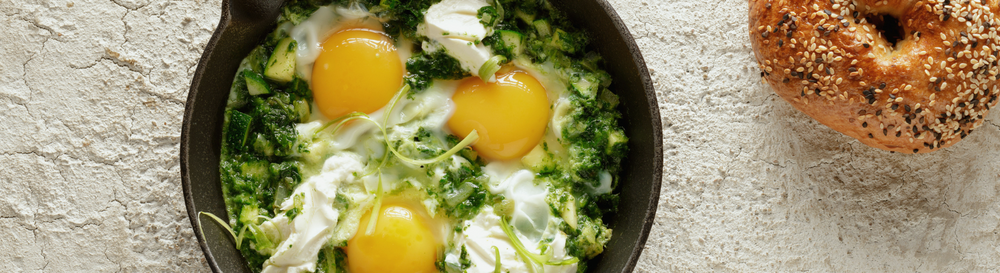
spicy green eggs with feta.
These spicy green eggs with feta are a quick, protein-rich recipe packed with gut-friendly ingredients like spinach, courgette, and spring onion. Baked in the oven or air fryer, they’re simple to make, full of flavour, and support digestion with a balance of fibre, protein, and healthy fats. Perfect for breakfast, brunch, or a light meal, this vibrant dish proves that nourishing your gut can be both delicious and easy.
ready in 10 minutes
egg wrap with pesto.
Bright, fresh, and ready in just 10 minutes, this flavour-packed wrap serves one and is ideal for breakfast, lunch, or any time you’re after something simple yet filling.
ready in 10 minutes
peach cobbler overnight oats.
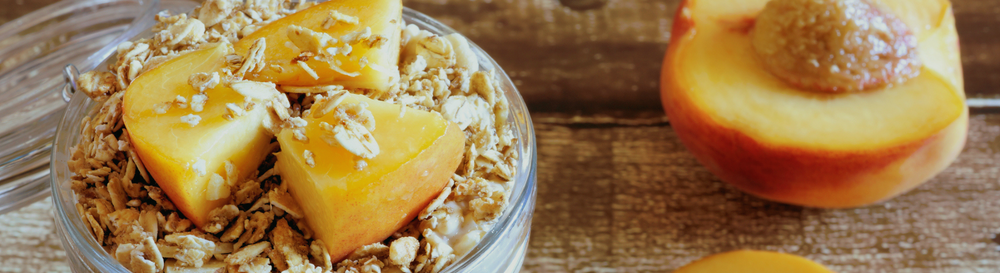
Start your day with a gut-friendly twist on a classic dessert. The peach cobbler overnight oats serve 2–3 and takes just 10 minutes to prepare the night before. Packed with fibre, flavour and feel-good ingredients, it’s the perfect make-ahead option for busy mornings or a nourishing snack you can enjoy any time of day.
ready in 15 minutes
smoky egg salad bagel crunch.
This smoky harissa egg bagel is the perfect 15-minute meal. Made with creamy Greek yoghurt, tangy pickles, and a hint of spice, it’s a high-protein twist on classic egg salad that delivers on both taste and texture. Ideal for busy days, this easy bagel recipe makes lunch feel gourmet without the effort.
ready in 20 minutes
chewy breakfast matcha protein cookies.
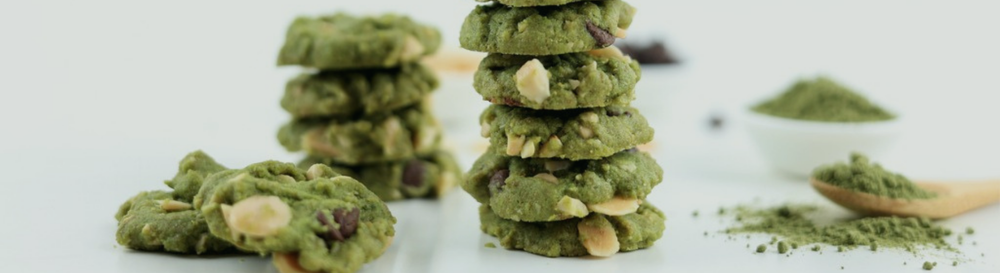
Soft, satisfying, and subtly sweet—these breakfast cookies are made to fuel your morning the right way. With fibre-rich oats, plant-based protein, and antioxidant-packed matcha, they’re a gut-friendly grab-and-go option that doesn’t compromise on flavour or function.
ready in 15 minutes
lemon & poppy seed pancakes.
Emily's light, gut-friendly crêpes are the perfect balance of fibre, protein, and healthy fats to support digestion and keep you feeling great.
ready in 10 minutes
carrot cake breakfast oats.
Start your day with a delicious and nutritious breakfast option - Carrot Cake Oats. Filled with fibre diversity to promote healthy digestion.